Culture Guide
Malagasy Culture and Traditionss
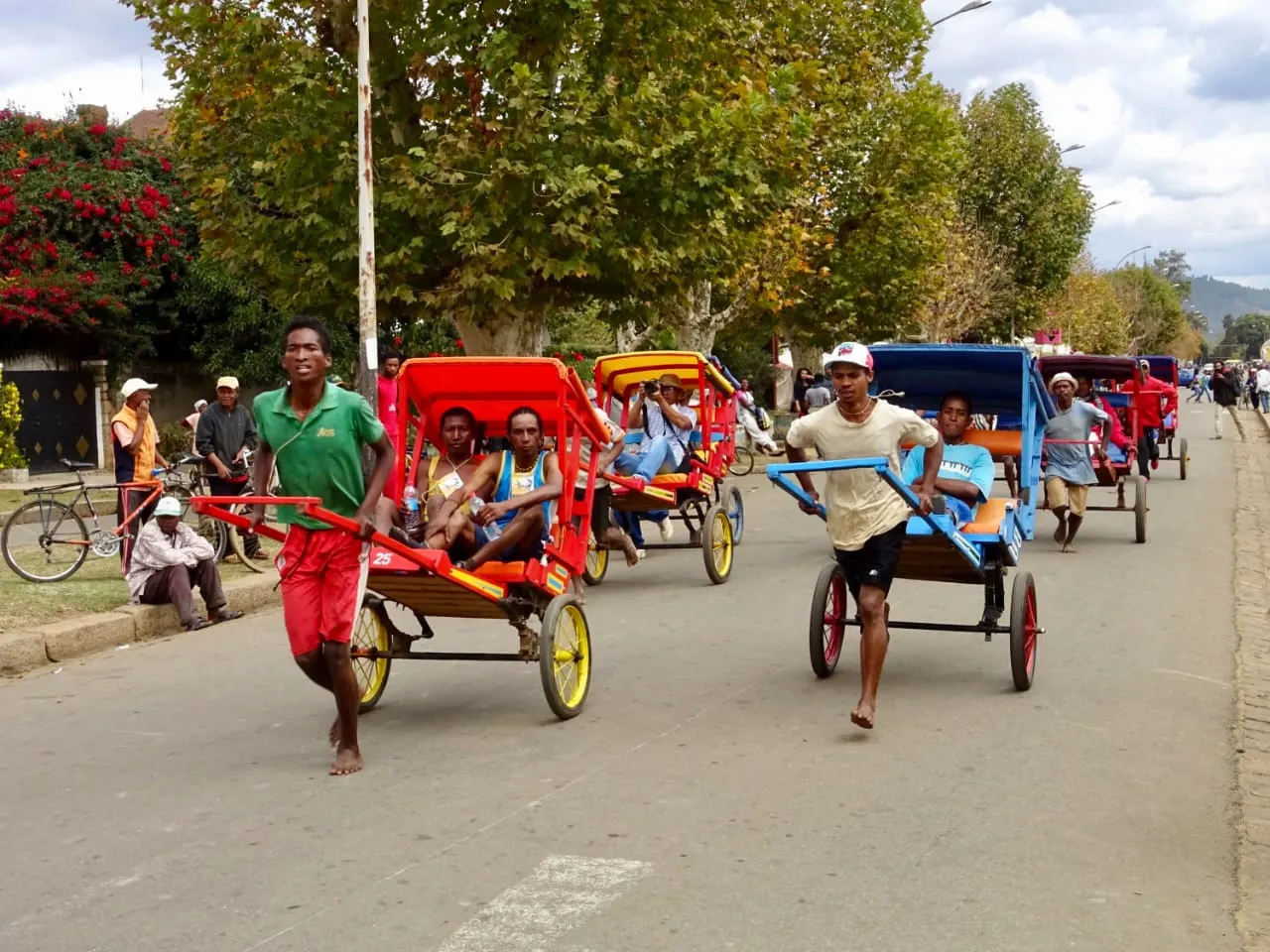
Malagasy culture is deeply connected to family, ancestors, community, respect, oral tradition, music, food, land and local customs.
The RN7 and southern Madagascar route links highland towns, rainforest, lemurs, granite mountains, sandstone canyons, beaches, spiny forest and remote lagoons.
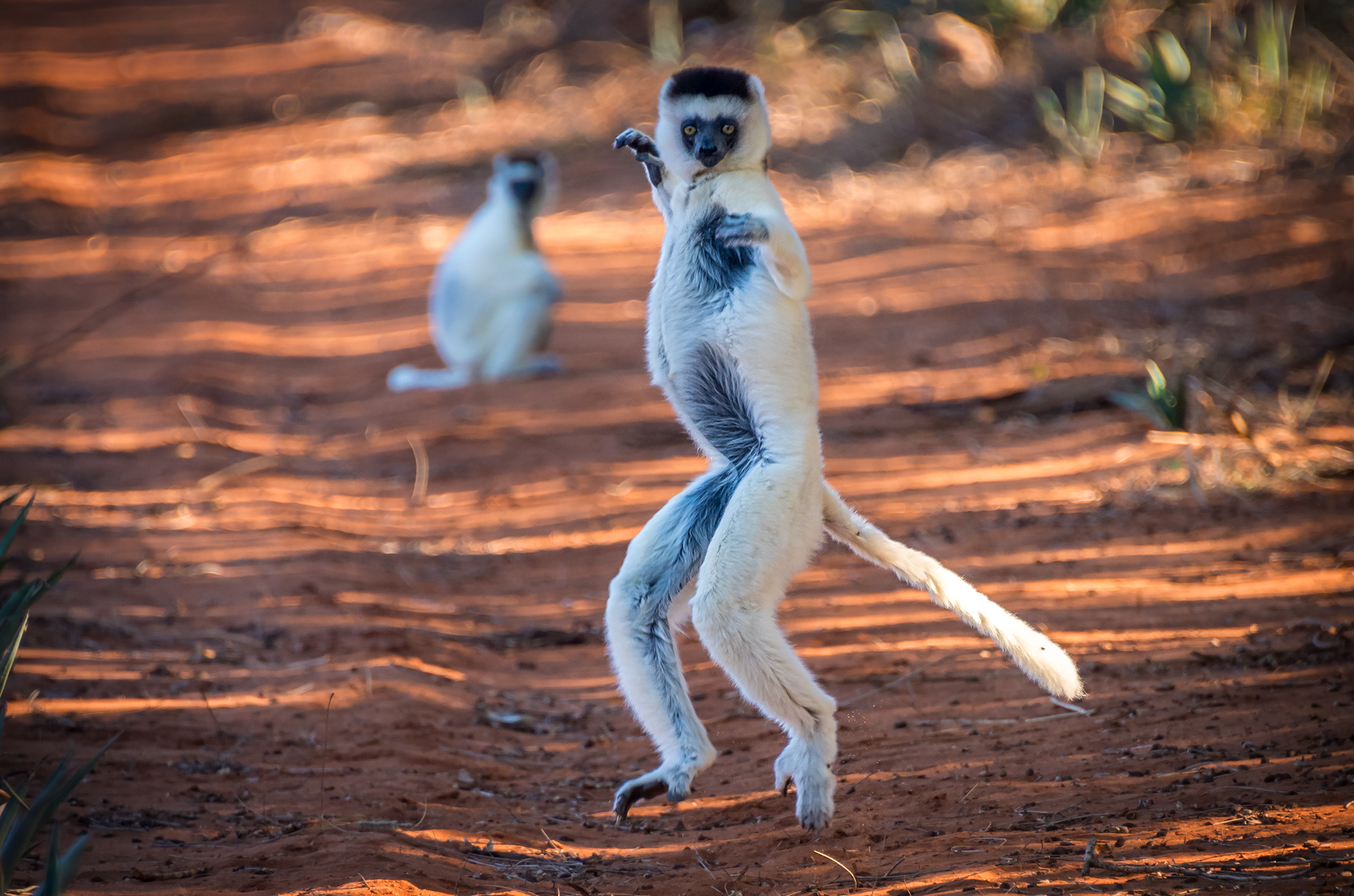
The RN7 and southern Madagascar route links highland towns, rainforest, lemurs, granite mountains, sandstone canyons, beaches, spiny forest and remote lagoons.
Antsirabe is known for highland atmosphere, pousse-pousse streets, craft workshops, thermal history and surrounding countryside.
Ranomafana is a major rainforest park with lemurs, birds, waterfalls, forest trails and a cool green environment.
Ambalavao offers highland culture, vineyards, paper workshops and beautiful mountain scenery.
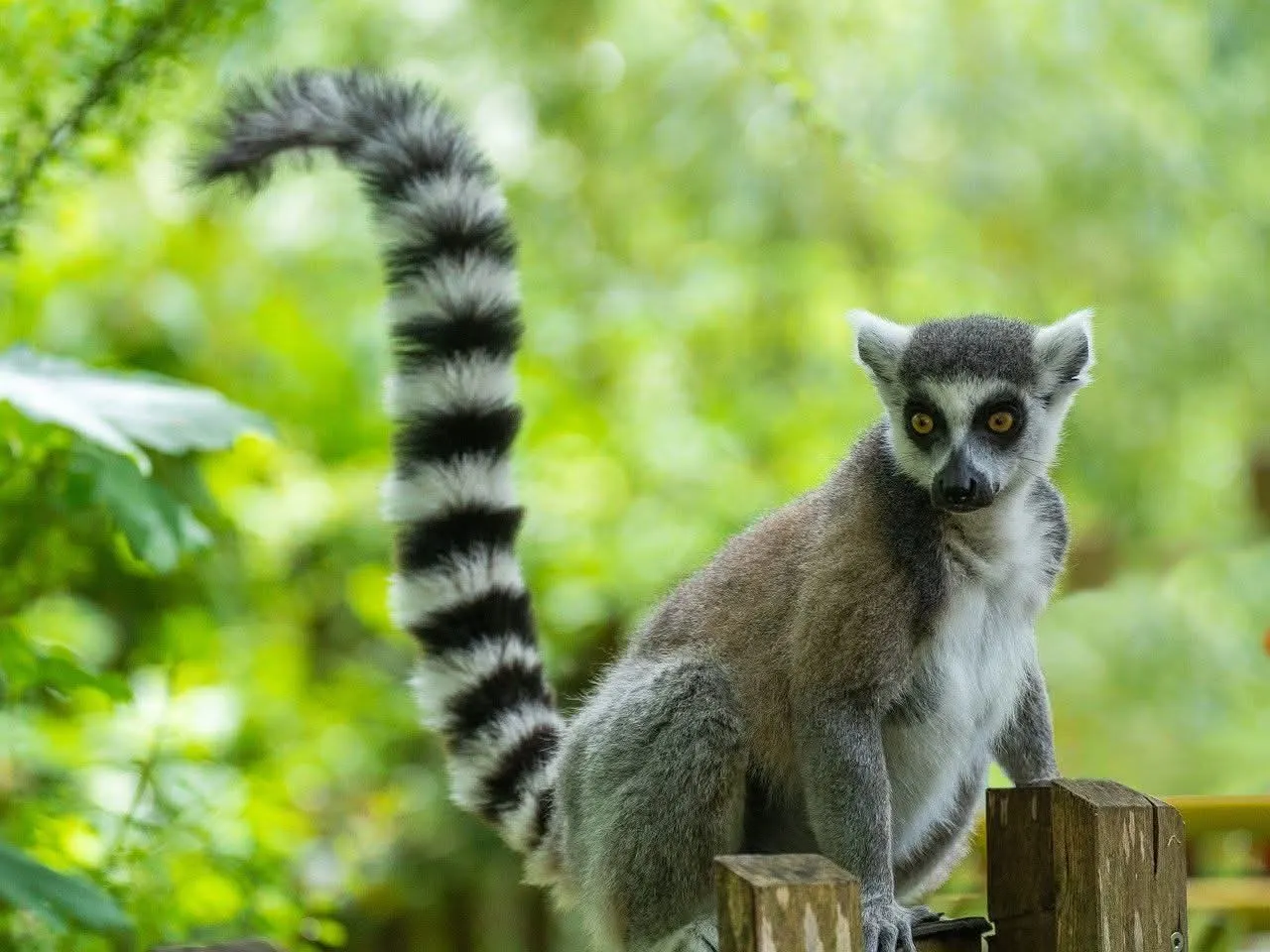
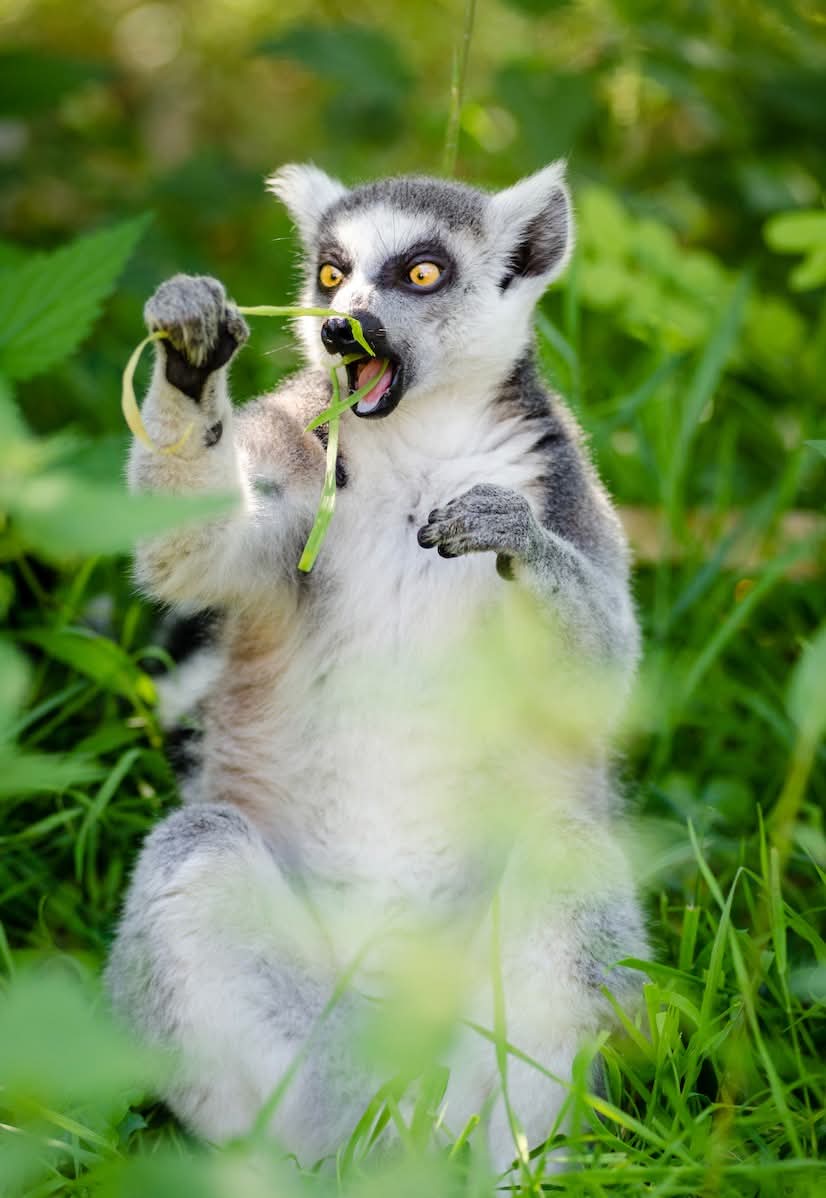
Anja is famous for ring-tailed lemurs, granite boulders and community-based conservation.
Andringitra is a mountain destination for hikers, photographers and travelers who love valleys, granite peaks and dramatic views.
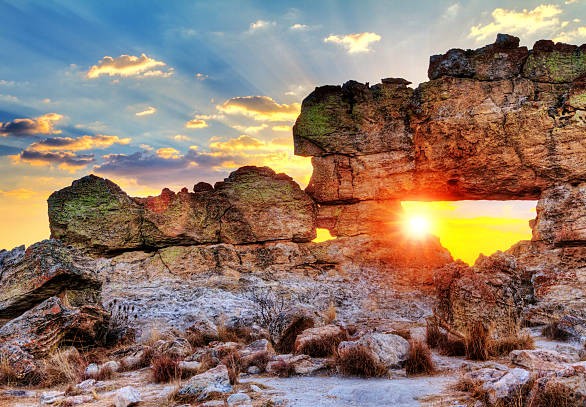
Isalo is known for sandstone canyons, natural pools, open landscapes and beautiful sunset light.
Ifaty offers beach relaxation, spiny forest, snorkeling possibilities and a gentle coastal finish near Toliara.
Anakao is a quieter coastal village with lagoon scenery, Vezo culture, boat excursions and a more remote beach feeling.
Tsimanampetsotsa is known for its salt lake, flamingos, baobabs, caves and dry southern ecosystems.
Andavadoaka offers remote beaches, turquoise lagoons, coastal villages and a beautiful off-the-beaten-track atmosphere.
Fort Dauphin combines southern beaches, mountains, rainforest fragments and a unique end-of-island feeling.
Berenty is famous for ring-tailed lemurs, sifakas and dry forest wildlife observation.
A comfortable route needs 12 to 16 days, longer with remote southern extensions.
Yes, for hikers, mountain scenery and photography.
Travelers wanting remote southwest landscapes, flamingos, baobabs, coral coastlines and quiet beaches.
Yes, with careful planning because they are farther south.
Malagasy culture is deeply connected to family, ancestors, community, respect, oral tradition, music, food, land and local customs.
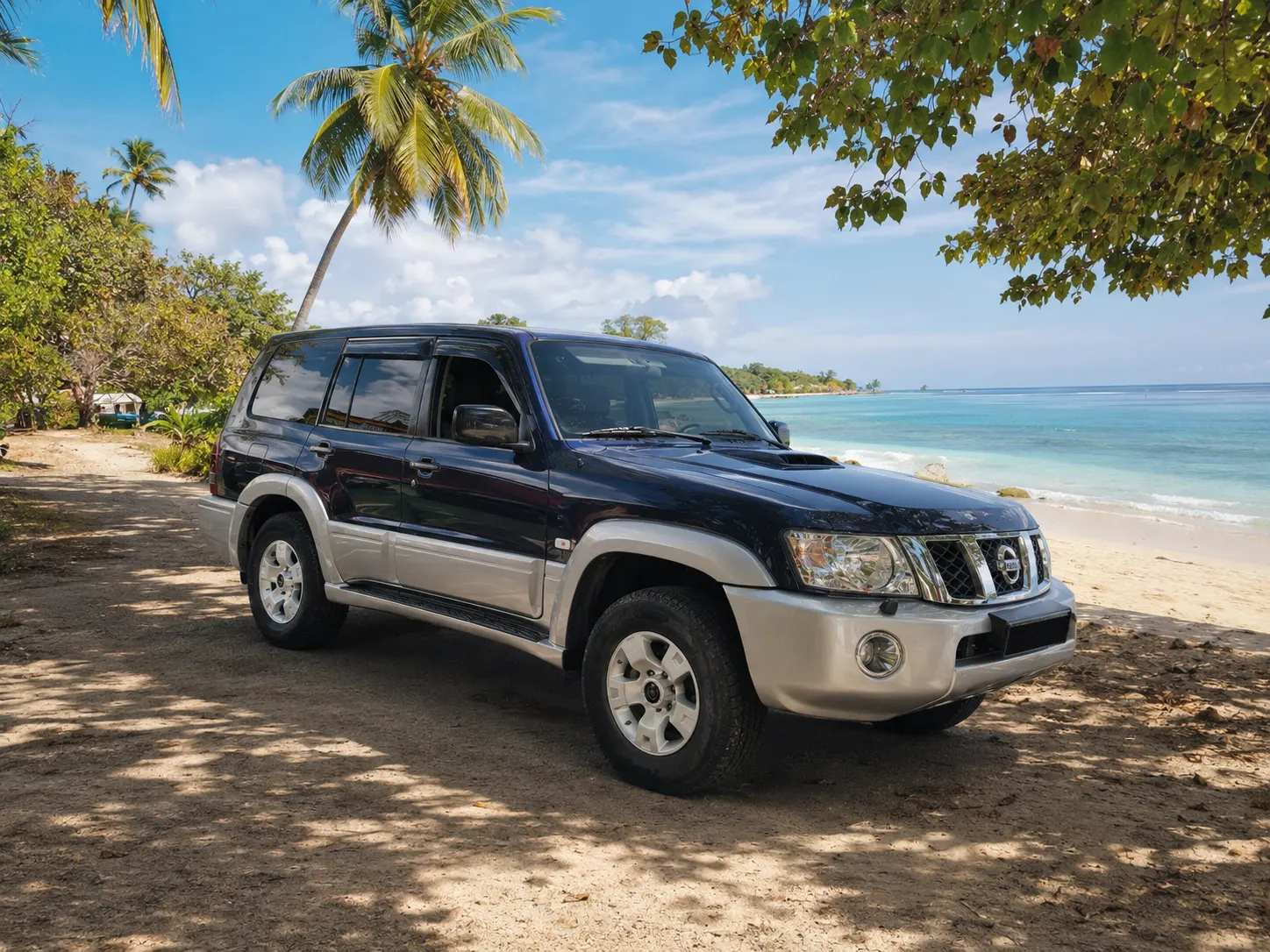
Choosing the right car is one of the most important decisions for a Madagascar trip. Roads vary widely between paved highways, mountain roads, sand tracks, ferry crossings and remote national park access roads.
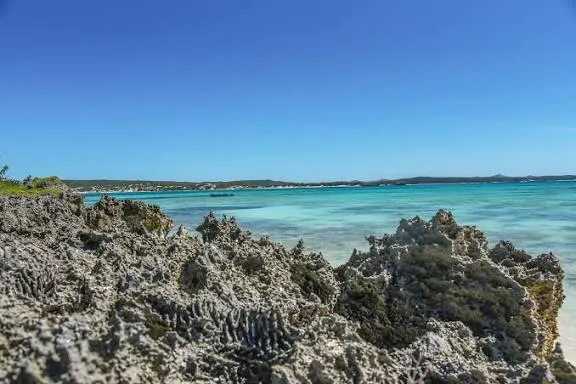
North West Madagascar is ideal for travelers who want islands, beaches, marine life, dry forest, coastal towns, plantations and relaxed tropical atmosphere.
Tell us your dates and interests — we will design a private itinerary that includes what inspired you in this article.